

Get ready to explore some super-fun and colourful Christmas traditions from around the world, and discover why Christmas in Guatemala, as well as all the other countries in Central America, are so special!
CENTRAL AMERICA
When Does Christmas Begin?
In Central America, the Christmas season doesn’t just start on December 24. Festivities often begin in early December.
On December 7, many families take part in La Quema del Diablo — The Burning of the Devil. People build small effigies (sometimes piñatas shaped like devils) and burn them. The idea is symbolic: to “clean house,” leave behind bad things or bad spirits, and start the Christmas season with a fresh, hopeful heart.
Also around this time, families begin decorating their homes with pine or fir branches, poinsettias (“flores de pascua”), lights, and handmade decorations. Some families even begin decorations shortly after “Día de Todos los Santos” (All Saints’ Day), at the start of November.
So Christmas in Central America is really a season — weeks of build-up, excitement, and community connection.
Processions, Songs and Community — The Heart of Christmas
Las Posadas (Dec 16–24): A Walking Nativity Story
Between December 16 and 24, many towns and neighbourhoods celebrate “Posadas.” These are small processions that recreate the journey of Mary and Joseph, walking through the streets with images or representations of them, carrying lanterns or candles, and singing traditional songs. In Guatemala, children and teens often carry the “anda” (the float or platform) with images of Mary and Joseph. Adults carry lanterns or old-style instruments like a shell drum made from turtle shell or native rattles (chinchines), so the night is full of music, light, and joy.
At each home visited along the way, participants are invited in, pray, sing, and then share food or warm drinks, a big time of sharing, friendship and hospitality.
Decorating the Birth Scene — “El Nacimiento”
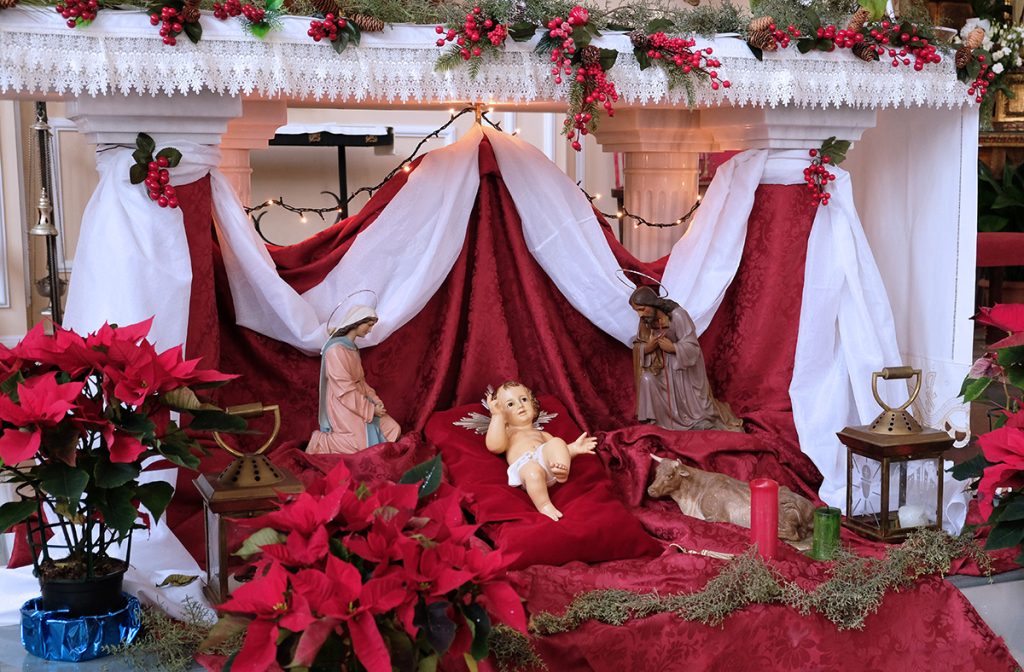
Many Guatemalan families take great care to build elaborate nativity scenes (“nacimientos”) inside their homes. These aren’t always simple cribs. Often, they recreate entire village scenes, jungles, mountains, local animals, and small huts, reflecting Guatemala’s landscapes and daily life. It’s a way to bring the Christmas story close to home, mixing faith, art, and culture.
Music and singing, especially traditional carols (villancicos), sometimes adapted with local rhythms, are also very common. Some songs mix Spanish hymns with native instruments and sounds.
Christmas Flavours — What Families Eat & Drink
No Christmas in Central America is complete without its special foods and drinks. These are often shared with extended family and friends.
Tamales
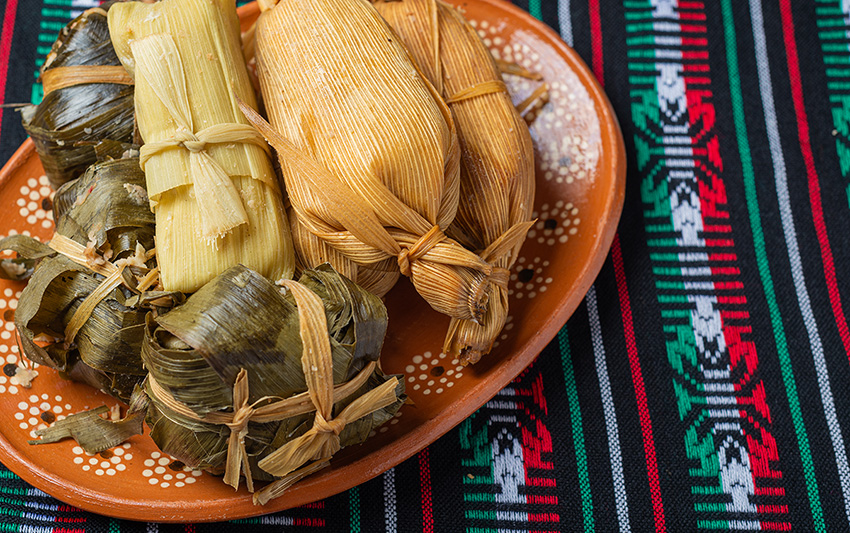
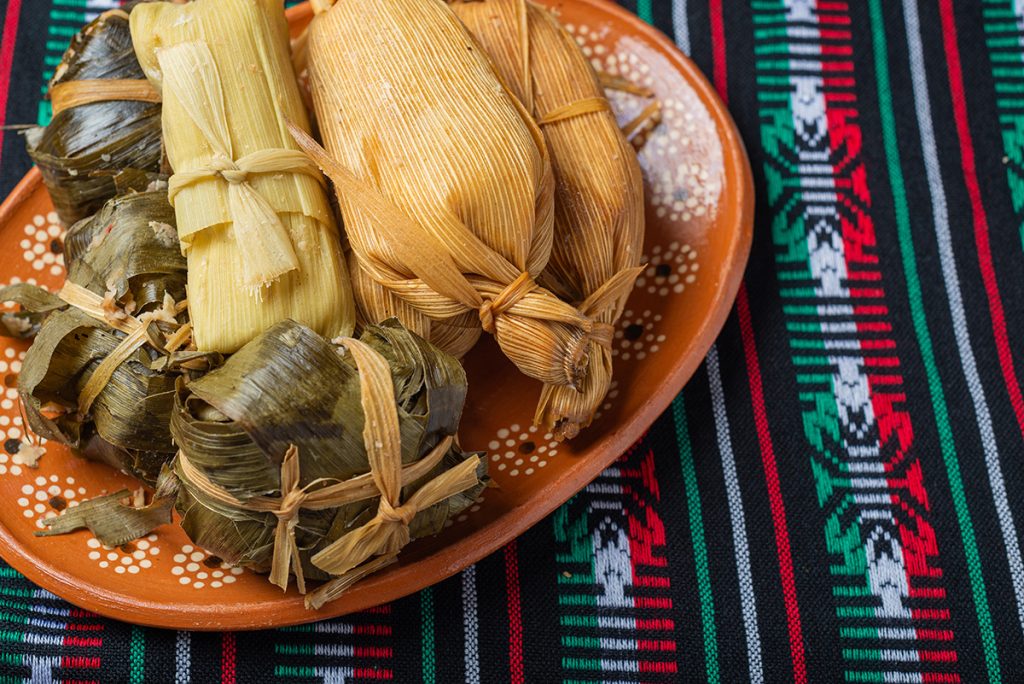
One of the most legendary parts of a Guatemalan Christmas table is the tamale. During the holidays, families prepare different kinds: “tamales colorados”, meat-filled, wrapped in banana leaves; “chuchitos”, simpler corn tamales wrapped in corn husks; or sweet or potato-based versions. Making tamales is a big family affair, a time for grandma, aunts, and cousins to gather in the kitchen together, sharing stories and preparing the feast.
Hot Drinks — Ponche and More
Alongside the food, warm drinks like fruit punch or “ponche” are very common, especially in the cooler December nights (in highland areas, nights can be chilly). Families gather with cups of warm punch or hot chocolate as they wait for midnight, chatting, laughing, maybe singing carols.
Christmas Dinner & Midnight Snacks
On Christmas Eve (Nochebuena) — the most important night of the season, families often gather for dinner, including tamales or roasted pork/ham (depending on region), bread, sweets and drinks. After dinner, many go to church for midnight mass (Misa de Gallo) or, if they stay home, they wait until midnight to set off fireworks, open gifts, hug and wish each other Merry Christmas.
Gifts are usually opened after midnight, once the clock strikes 12, after fireworks and celebrations.
Fireworks, Lights — Midnight Magic
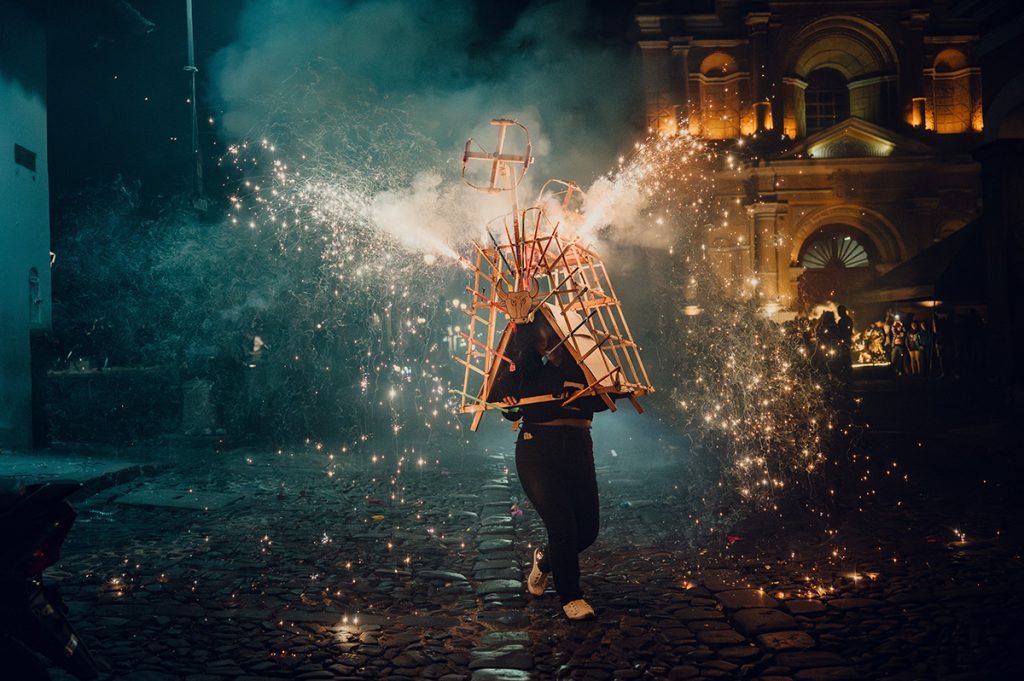
One of the most exciting and distinctive parts of a Guatemalan Christmas is the fireworks. On Christmas Eve, as soon as the clock strikes midnight, families often set off fireworks and firecrackers. In smaller towns, even “bombas”, loud firecrackers, are let off near churches. The night sky fills with sparks, smoke, light, and often laughter and awe. For many children, this is the most magical moment of the whole season.
In some communities, people run through the streets dressed as a bull and have fireworks strapped to a frame over their back.
For children, fireworks are the highlight of Christmas. Children try to earn money in the weeks before Christmas and save to buy fireworks. On Christmas Eve, the children light their fireworks in the streets.
Because of all the lights, decorations, and the smell of pine (or local plants), houses and neighbourhoods glow and feel alive. Pine and natural materials (such as moss, local plants, sawdust, “gallitos,” etc.) are often used to decorate nativity scenes and homes, giving Christmas in Guatemala a distinctive scent and a connection to nature.
In bigger cities and, increasingly, smaller towns, public celebrations also take place. For example, since the 1980s (and continuing to today), there is a significant public Christmas tree lighting event called Festival Árbol Gallo, often featuring lights, music, shows, and fireworks. It’s a landmark for many families and people across the country.
What Christmas Means: Family, Faith, Community & Culture
Christmas in Guatemala is not about shopping or stress. It’s about coming together, family, neighbours, friends; about faith and remembering the birth of Jesus; about sharing, food, warmth, hospitality; about culture, native roots, local plants and music; and about hope and renewal, especially through traditions like the Quema del Diablo (burning the old, welcoming the new).
For children, it is magical: making tamales with grandparents, walking in candlelit processions, singing carols, setting off sparklers at midnight, waking with new gifts under the tree, meeting aunts & uncles, and the smell of ponche and Christmas food still in the air.
A Bit Wider: How Guatemala Central America reflects the Christmas Spirit
While Guatemala has many unique traditions, many of them, like posadas, nativity scenes, Christmas Eve church services, singing villancicos, and sharing tamales or special foods, are shared across Central America and Latin America more broadly. The mixture of Christian faith (from colonisation) with native and indigenous roots gives Christmas in this region a rich, layered flavour, full of respect for culture, community, and spirituality.
If You Were a Kid in Guatemala During Christmas — What It Feels Like
Close your eyes and imagine:
- Helping your grandma spread “masa” in banana leaves to make tamales; the kitchen is full of laughter, steam, and warm smells.
- Walking at night with friends and neighbours, carrying paper lanterns or candles, singing little Christmas songs, stepping carefully on cobblestone or dusty paths.
- Coming home, drinking hot punch, wearing new clothes, waiting for midnight with excitement as fireworks start.
- Opening a gift under a small tree scented with pine, hugging your family, maybe lighting sparklers.
- Smelling fresh pines or “gallitos,” tasting sweet tamales or fruit punch, hearing drums, whistles or marimba, the sound of your homeland celebrating.
That’s Christmas in Central America. It´s warm, bright, messy, noisy, musical, spiritual, and full of love.